Business consulting transforms management practices by identifying operational inefficiencies, implementing data-driven strategies, and aligning team workflows with long-term objectives. Consultants assess organizational structure, evaluate performance metrics, and recommend targeted improvements…

Data-Driven Insights
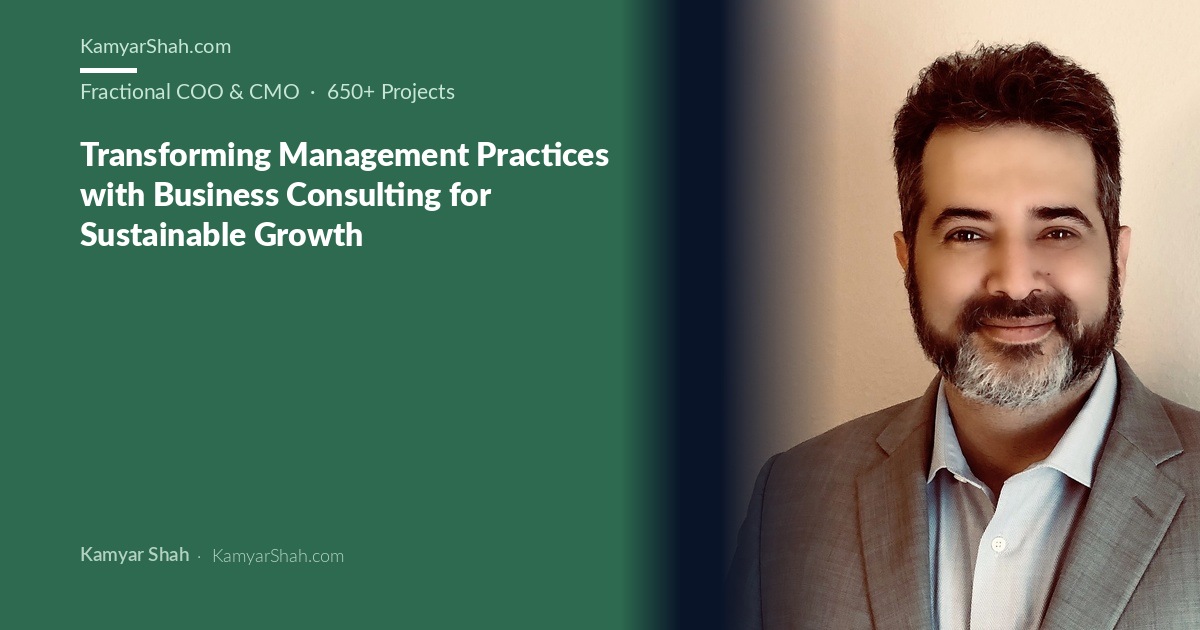
Transforming Management Practices with Business Consulting for Sustainable Growth
30% Higher Innovation Implementation
Companies collaborating with consultants are 30% more likely to implement innovative solutions, driven by structured brainstorming sessions, market insights, and expert strategic guidance.
75% Report Improved Sustainability Metrics
Three-quarters of companies that engaged consulting services reported measurable improvements in sustainability metrics, integrating social responsibility and ethical practices into core business strategy.
Four-Pillar Consulting Impact Framework
Effective consulting operates across four dimensions simultaneously: process analysis to expose inefficiencies, technology leveraging for operational gains, cost reduction through streamlined workflows, and performance improvement via strategic guidance.
Structure Before Strategy
Sustainable growth starts with assessing organizational structure, evaluating performance metrics, and aligning team workflows with long-term objectives, not with surface-level fixes.
Schedule a Strategy Discussion
Source: kamyarshah.com · Kamyar Shah, Fractional COO & Operations Consultant

Business consulting transforms management practices by identifying operational inefficiencies, implementing data-driven strategies, and aligning team workflows with long-term objectives. Consultants assess organizational structure, evaluate performance metrics, and recommend targeted improvements that reduce costs while increasing productivity. This structured approach enables companies to build resilient systems supporting consistent growth without compromising employee engagement or market competitiveness. Learn specific consulting methodologies that drive sustainable management transformation in your organization.

For small businesses that need an outside perspective on what is holding growth back,small business consultingprovide the diagnostic and execution support to move forward.

Frequently Asked Questions

How does business consulting transform management practices?

Business consulting transforms management by identifying operational inefficiencies, implementing data-driven strategies, and aligning team workflows with long-term objectives. Consultants assess organizational structure, evaluate performance metrics, and recommend targeted improvements that reduce costs while increasing productivity.

What is the four-pillar consulting impact framework?

Effective consulting operates across four dimensions simultaneously: process analysis to expose inefficiencies, technology leveraging for operational gains, cost reduction through streamlined workflows, and performance improvement via strategic guidance. All four must work together for sustainable results.

What results do companies see from engaging business consultants?

Companies collaborating with consultants are 30 percent more likely to implement innovative solutions, and 75 percent report measurable improvements in sustainability metrics. These outcomes come from structured brainstorming sessions, market insights, and expert strategic guidance applied to specific organizational challenges.

Why does structure need to come before strategy in consulting?

Sustainable growth starts with organizational structure that can support the strategy. A brilliant strategy executed through a broken structure produces the same results as no strategy at all. Consultants assess and correct structural issues before layering strategic initiatives on top.

How should companies choose a business consultant?

Companies should choose consultants based on demonstrated results in their industry, the consultant’s ability to quantify expected outcomes before engagement, alignment between the consultant’s methodology and the organization’s culture, and a clear scope of work with defined deliverables and timelines.