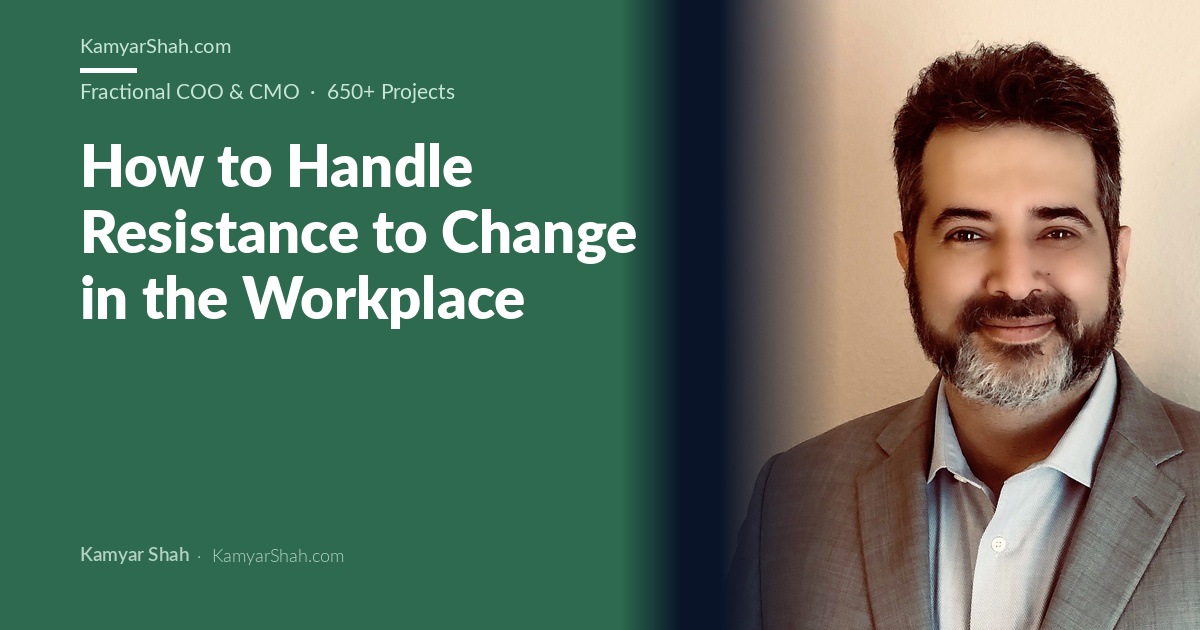
Managing workplace resistance to change requires transparent communication, meaningful employee involvement, and active support systems. Organizations must address underlying fears regarding job security and loss of control through clear explanations and collaborative decision-making processes…

Change Management
How to Handle Resistance to Change in the Workplace
80% of Change Initiatives Fail Due to Resistance
Resistance is a natural human response to uncertainty, not insubordination. Leaders who fail to recognize this misdiagnose the problem and accelerate failure.
3-Tier Framework: Communication → Impact Assessment → Training
Tier 1 demands transparent communication on reasons, benefits, and impacts. Tier 2 evaluates risk to individuals and teams. Then provide targeted training so 70% skill-gap anxiety is eliminated before rollout.
Change Champions Drive 60% Higher Adoption
Identify and empower internal advocates who promote the initiative peer-to-peer. This bypasses top-down resistance and builds organic momentum across teams.
The Ripple Effect: 85% Impact From Small Wins
Small changes compound. Celebrate early successes to build psychological safety and momentum, sustained leadership commitment through every phase is what separates transformation from disruption.
Schedule a Strategy Discussion
Source: kamyarshah.com · 650+ companies advised across 25+ years

Managing workplace resistance to change requires transparent communication, meaningful employee involvement, and active support systems. Organizations must address underlying fears regarding job security and loss of control through clear explanations and collaborative decision-making processes. Leaders who prioritize stakeholder engagement and provide adequate training resources significantly increase adoption rates and organizational buy-in. These foundational strategies create psychological safety essential for sustainable transformation. Successful change management depends on sustained leadership commitment throughout implementation phases.

Frequently Asked Questions

Why do employees resist organizational change?

Resistance stems from natural human responses to uncertainty, not insubordination. The primary drivers are fear of job security, loss of control over familiar routines, lack of information about what the change means personally, and insufficient involvement in decisions that affect daily work.

What is the three-tier framework for managing change resistance?

Tier 1 establishes transparent communication covering reasons, benefits, and impacts. Tier 2 evaluates risk to individuals and teams through impact assessment. Tier 3 provides targeted training that eliminates approximately 70% of skill-gap anxiety before rollout begins.

What are change champions and why do they matter?

Change champions are internal advocates identified and empowered to promote initiatives peer-to-peer. They bypass top-down resistance by building organic momentum across teams. Organizations using change champions see approximately 60% higher adoption rates than those relying solely on leadership-driven communication.

How do small wins reduce resistance to change?

Small wins create a compounding effect where early successes build psychological safety and momentum. Celebrating these wins demonstrates that the change is working, reduces fear among skeptics, and gives leaders evidence to sustain commitment through subsequent implementation phases.

What percentage of change initiatives fail?

Research indicates approximately 80% of change initiatives fail, with resistance cited as the primary cause. The failure rate drops significantly when organizations invest in transparent communication, stakeholder involvement, and structured support systems before and during implementation.