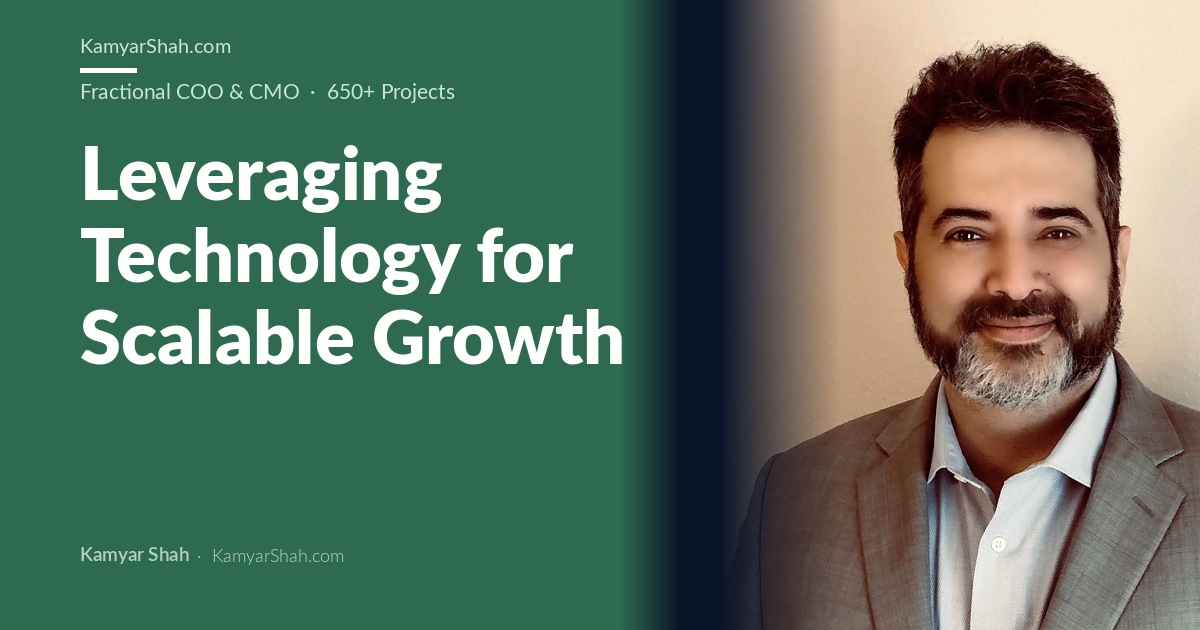
Using Technology for Scalable Growth demands strategic integration of cloud computing, automation tools, and data analytics. Organizations implementing these technologies streamline operations, reduce costs, and expand market reach. Cloud infrastructure enables flexible resource allocation…

Technology & Operations
Using Technology for Scalable Growth: The Strategic Integration Framework
Cloud Computing: 75% Risk Exposure
While cloud enables flexible resource allocation without heavy upfront investment, 75% of the consideration skews toward cons, internet dependency, security risks, and vendor lock-in that can cripple operations.
Automation → High-Value Activity Shift
Automation tools eliminate repetitive manual tasks so employees redirect capacity to higher-value activities, the lever that actually drives efficiency gains, not the automation itself.
Data Analytics: 3-Stage Growth Engine
Collect → Analyze → Tailor. Businesses that follow this sequence, from raw data collection through trend identification to customer-segment-specific strategies, unlock targeted marketing and informed growth decisions.
E-Commerce as Market Diversification Platform
E-commerce isn’t just a sales channel, it enables demographic and behavioral targeting across new markets, turning global reach into precise customer-segment acquisition at scale.
Schedule a Strategy Discussion
Source: kamyarshah.com, 25+ years operational leadership across 650+ companies

Using Technology for Scalable Growth demands strategic integration of cloud computing, automation tools, and data analytics. Organizations implementing these technologies streamline operations, reduce costs, and expand market reach. Cloud infrastructure enables flexible resource allocation while automation eliminates repetitive tasks. Data analytics platforms deliver actionable insights for informed decisions. implementation best practices that establish sustainable expansion foundations.

Download This Infographic

Download

Frequently Asked Questions

How does cloud computing support business scalability?

Cloud infrastructure enables flexible resource allocation without heavy upfront capital investment, allowing businesses to scale computing, storage, and services up or down based on demand. However, organizations must weigh the risks of internet dependency, security exposure, and vendor lock-in against these flexibility benefits.

What role does automation play in scalable growth?

Automation eliminates repetitive manual tasks so employees can redirect capacity to higher-value activities. The efficiency gain comes not from the automation itself but from the reallocation of human effort toward strategic work, customer relationships, and innovation that actually drives growth.

What is the three-stage data analytics growth engine?

The sequence is Collect (gather raw data from operations and customers), Analyze (identify trends and patterns), and Tailor (develop customer-segment-specific strategies). Businesses that follow this sequence unlock targeted marketing and informed growth decisions rather than relying on intuition.

What technologies should a growing business prioritize?

Prioritize based on the biggest operational bottleneck: cloud computing for infrastructure flexibility, automation for labor-intensive repetitive processes, data analytics for customer insight and decision quality, and e-commerce for market expansion. Implementing all simultaneously without strategic sequencing creates integration complexity that slows rather than accelerates growth.

How does e-commerce enable scalable growth beyond just online sales?

E-commerce functions as a market diversification platform, not just a sales channel. It enables demographic and behavioral targeting across new geographic and customer segments, turning global reach into a practical growth lever without the capital requirements of physical expansion.